Trends in Telecommunications
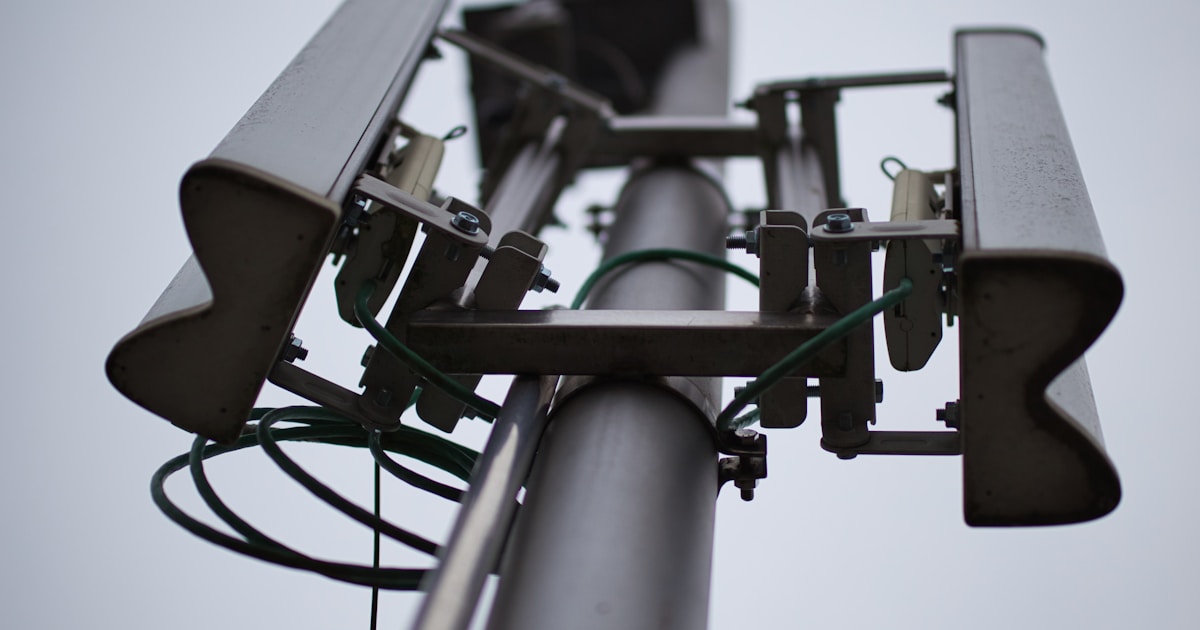
In this article, we will explore some trends that will shape the direction of telecommunications in the coming years and their impact on society, the economy, and technology.
The telecommunications landscape is exciting and full of opportunities. From the proliferation of 5G technology to the convergence of artificial intelligence (AI) and the Internet of Things (IoT), significant advances are emerging that are shaping the future of the sector.
In this article, we will explore some trends that will shape the direction of telecommunications in the coming years and their impact on society, the economy, and technology.
Advanced 5G Applications Across Different Sectors
5G technology has been the center of attention in the telecommunications field due to its revolutionary capabilities. By offering ultra-fast connection speeds, low latency, and greater network capacity, 5G is paving the way for a new era of communication and connectivity. This fifth generation of mobile networks promises an enhanced user experience while driving innovation across a wide range of applications and services.
The deployment and expansion of this type of network is transforming the connectivity landscape worldwide. Different countries are competing to lead this technological race and investing in cutting-edge infrastructure to deploy 5G at scale.
When considering specific applications, 5G in education is transforming the way students access knowledge and participate in online learning experiences. For example, students can participate in immersive virtual classes in real time, access interactive educational resources, and collaborate with peers from anywhere in a seamless manner.
We experienced a real case of this at Quantik: last year we conducted a virtual reality educational experience together with the Faculty of Economics, the results of which we presented at a conference in the United States.
In the manufacturing industry, 5G is enabling smart manufacturing, also known as Industry 4.0. Thanks to its ultra-fast and reliable connectivity, factories can implement advanced automation systems, such as interconnected robots and machines, to optimize production, improve efficiency, and reduce operational costs. Additionally, 5G allows the incorporation of predictive maintenance solutions that help prevent machinery failures and minimize downtime.
We recommend this article by Mauricio, in which he details innovative uses of technologies that perform optimally with 5G (augmented or virtual reality, among others). Related to the previous paragraph, one use case involves a remote expert assisting, from anywhere in the world and in real time, an operator while they handle a machine using a visor.
In the entertainment industry, this technology is delivering immersive and personalized experiences to users. With ultra-fast download speeds and low latency, users can stream video content in 4K or even 8K resolution without issues, enjoy uninterrupted online gaming, and access high-quality virtual and augmented reality services from their mobile devices.
Furthermore, 5G facilitates the creation of interactive content and live streaming experiences that allow viewers to actively participate and immerse themselves in the content.
In addition to the examples mentioned above, the impact of 5G can also be seen in these areas:
-
In healthcare, it is driving significant advances in medical care, enabling applications such as telehealth, telemedicine, and remote surgery. For example, doctors can conduct virtual consultations in real time, share high-resolution medical images, and operate on a patient using remotely controlled surgical robots, thanks to the low latency and high reliability of 5G. In healthcare, it is driving significant advances in medical care, enabling applications such as telehealth, telemedicine, and remote surgery. For example, doctors can conduct virtual consultations in real time, share high-resolution medical images, and operate on a patient using remotely controlled surgical robots, thanks to the low latency and high reliability of 5G.
-
In the transportation and logistics sector, this technology enables communication between autonomous vehicles, road infrastructure, and traffic management systems. This allows for safer and more efficient driving, as well as the implementation of shared transportation services and last-mile delivery. In logistics specifically, 5G facilitates real-time fleet management, goods tracking, and route optimization. In the transportation and logistics sector, this technology enables communication between autonomous vehicles, road infrastructure, and traffic management systems. This allows for safer and more efficient driving, as well as the implementation of shared transportation services and last-mile delivery. In logistics specifically, 5G facilitates real-time fleet management, goods tracking, and route optimization.
-
For the energy sector, it facilitates intelligent management of the electrical grid, monitoring of critical assets, and optimization of energy distribution. This enables greater energy efficiency, a faster response to demand fluctuations, and a smoother integration of renewable energy sources. For the energy sector, it facilitates intelligent management of the electrical grid, monitoring of critical assets, and optimization of energy distribution. This enables greater energy efficiency, a faster response to demand fluctuations, and a smoother integration of renewable energy sources.
-
There are also applications for the agricultural and forestry industries: this technology enables real-time crop monitoring, automation of agricultural processes, and optimization of resources such as water and fertilizers. This helps increase productivity, reduce costs, and minimize environmental impact. Another functionality made possible by 5G is the early detection of forest fires through gas sensors that emit real-time alerts. There are also applications for the agricultural and forestry industries: this technology enables real-time crop monitoring, automation of agricultural processes, and optimization of resources such as water and fertilizers. This helps increase productivity, reduce costs, and minimize environmental impact. Another functionality made possible by 5G is the early detection of forest fires through gas sensors that emit real-time alerts.
Integration of Artificial Intelligence (AI) and Machine Learning in Telecommunications
AI is transforming all sectors, including telecommunications. Here is a very comprehensive article by a colleague on this topic, which covers how AI applied to telco improves network management and energy efficiency (in areas such as anticipating problems and optimizing performance), and how it can help with cybersecurity.
Enhanced Connectivity for IoT
IoT has experienced exponential growth, enabled by the development of faster and more reliable networks (5G). For this reason, connected devices offering intelligent and automated services in different contexts have proliferated.
Today we see all kinds of connected devices supplying real-time information as entirely natural. Whether it is wearables that monitor vital signs and facilitate proactive medical interventions, intelligent inventory management that improves the customer experience in stores, or smart building control systems that manage lighting and climate control to improve energy efficiency.
IoT is transforming cities into smart environments that improve quality of life through traffic optimization, efficient management of public services, and enhanced public safety. Uruguay leads the region in the application of IoT in electrical telemetering.
This technology leverages the connectivity of each meter to remotely monitor and manage electricity consumption. The data collected by smart meters is transmitted to utility companies, enabling more detailed analysis of energy usage, real-time fault detection, and optimization of electricity distribution.
Additionally, it provides users with the ability to choose between different rate structures. This translates into more efficient energy management and the promotion of smart electrical grids.
Security Challenges
Each IoT device represents a potential entry point for cyberattacks. Robust authentication and data encryption are essential to protect communication between devices and networks. Furthermore, it is critical to manage permissions and access to ensure that only authorized users and devices can access the network and data. Regular security updates and patches become a challenge for IT and Security teams at organizations, given the enormous volume and diversity of connected devices.
Moreover, user data privacy is a concern, as large-scale data collection and analysis pose significant risks if not handled properly. Therefore, the implementation of advanced security technologies and the development of uniform security standards are priorities for addressing these vulnerabilities.
In a follow-up article, we will continue this exploration of telecommunications industry developments by discussing blockchain and cybersecurity and the connectivity provided by low Earth orbit satellites.
By:
Federico Morales, Business Manager.