Sustainability in the Age of Connectivity: How to Apply It in Construction Projects
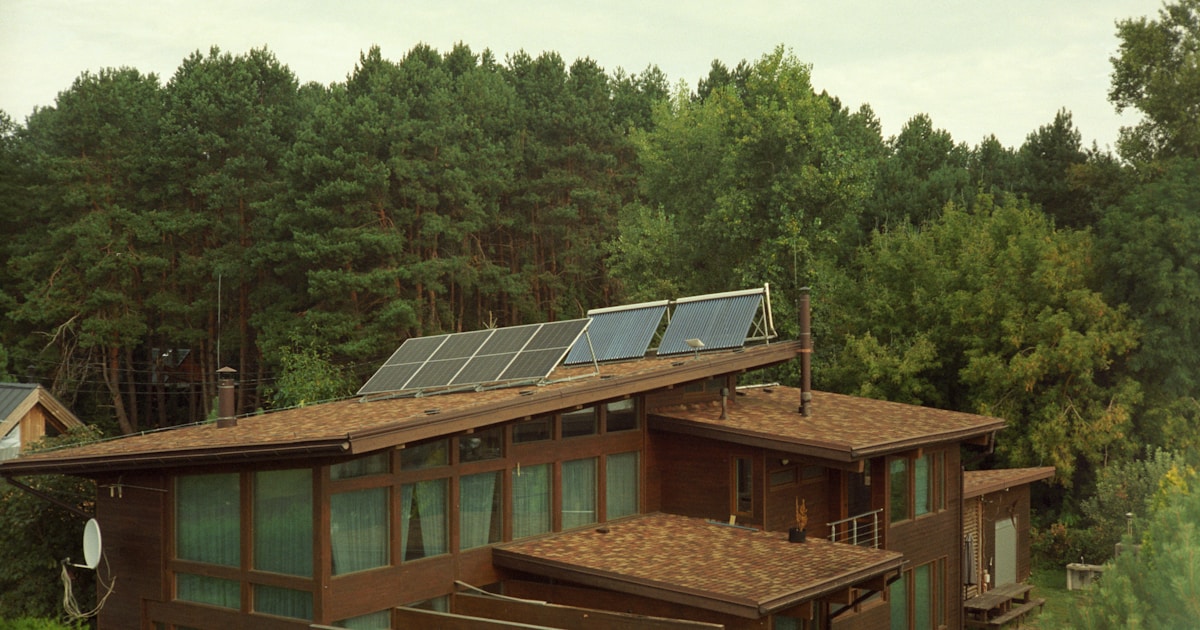
What are the main characteristics of a sustainable building?
One of the most prominent trends in urban development is the promotion of constructions that minimize their environmental impact. This approach involves the adoption of sustainable practices and technologies in city planning and the construction of buildings and infrastructure, with the objective of conserving natural resources, reducing greenhouse gas emissions, and improving the quality of life for urban inhabitants. This trend reflects the growing commitment at both governmental and organizational levels to sustainability and environmental protection.
Goal 9 of the United Nations Sustainable Development Goals (SDGs), agreed upon in September 2015 by world leaders as part of the 2030 Agenda for Sustainable Development, aims to "build resilient infrastructure, promote inclusive and sustainable industrialization, and foster innovation." Its first target consists of: "Upgrade infrastructure and retrofit industries to make them sustainable, with increased resource-use efficiency and greater adoption of clean and environmentally sound technologies and industrial processes."
Investing in energy-efficient buildings contributes to the fulfillment of this goal, as well as SDG 11, which seeks to "make cities and human settlements inclusive, safe, resilient, and sustainable."
What Are the Main Characteristics of a Sustainable Building?
-
Energy efficiency: this means using technologies and designs that minimize energy consumption, such as efficient lighting and HVAC systems, to reduce the building's carbon footprint. Energy efficiency: this means using technologies and designs that minimize energy consumption, such as efficient lighting and HVAC systems, to reduce the building's carbon footprint.
-
Use of renewable energy: this involves incorporating clean, renewable energy sources, such as solar panels or wind turbines, to generate electricity sustainably and reduce dependence on fossil fuels. Use of renewable energy: this involves incorporating clean, renewable energy sources, such as solar panels or wind turbines, to generate electricity sustainably and reduce dependence on fossil fuels.
-
Sustainable materials: using construction materials that minimize the degradation of natural resources and reduce environmental impact. Sustainable materials: using construction materials that minimize the degradation of natural resources and reduce environmental impact.
-
Passive design: this involves designing structures and spaces whose environmental conditioning employs natural processes. That is, it maximizes the use of natural light, cross ventilation, and proper orientation to reduce the need for artificial lighting and heating. Passive design: this involves designing structures and spaces whose environmental conditioning employs natural processes. That is, it maximizes the use of natural light, cross ventilation, and proper orientation to reduce the need for artificial lighting and heating.
-
Water management: this includes rainwater collection and reuse systems, as well as low-water-consumption technologies in bathrooms and kitchens, with the aim of conserving this vital resource. Water management: this includes rainwater collection and reuse systems, as well as low-water-consumption technologies in bathrooms and kitchens, with the aim of conserving this vital resource.
-
Indoor air quality: this relates to the implementation of high-efficiency ventilation systems and the use of non-toxic construction materials to improve air quality inside the building and promote the health of its occupants. Indoor air quality: this relates to the implementation of high-efficiency ventilation systems and the use of non-toxic construction materials to improve air quality inside the building and promote the health of its occupants.
When a building meets the required qualities to be considered sustainable, it can receive LEED certification (Leadership in Energy and Environmental Design).
This certification was developed by the United States Green Building Council in 1993 and attests that a building has been developed in accordance with ecological efficiency criteria and meets the standards necessary to be considered a sustainable building.
Reducing the Environmental Impact of Cabling
Cables are ubiquitous and essential elements across all industrial sectors. They play a crucial role in the transmission of communications and energy, connecting different areas of facilities and linking machines. This ubiquity comes at an environmental cost, as over time, these cables become industrial waste.
These elements typically have a conductive core responsible for transmitting electricity and information, frequently composed of valuable materials such as copper, aluminum, and other metals, which, if properly recycled, can reduce the need to exploit natural resources. Likewise, recycling electrical cables helps minimize the carbon footprint, since the production of new cables from virgin raw materials involves high energy demand.
Furukawa's Green solutions, a Japanese company with 139 years of experience in the technology industry, are an excellent example of how these environmental challenges can be addressed. These solutions focus on the protection of life and the reduction of environmental impact.
These consist of Cat 6 and Cat 6A cables and patch cords manufactured with green polyethylene and Laserway (GPON) solutions for optical networks. Both solutions help reduce consumption of plastic, energy, and space. The benefits are tangible: energy savings of up to 70%, plastic consumption reduction of 87%, and the ability to be fully recyclable.
Another advantage of the Green solutions includes the use of LSZH-3 (Low Smoke Zero Halogen) materials, specifically developed to minimize risks in the event of a fire, which means less smoke and zero toxic gas emissions. This not only reduces health damage in the event of such an incident but also contributes to LEED scoring potential in categories such as energy and atmosphere and innovation.
Since 2007, Furukawa has embraced the Mottainai philosophy, which highlights its commitment to the environment. Mottainai incorporates concepts such as reduce, reuse, recycle, repair, and rethink. In this context, Furukawa works on the development of new solutions that address current and future environmental demands, and assumes responsibility for properly managing cables that have reached the end of their lifecycle. Through its Green IT program, the company seeks to facilitate the process of discarding and replacing copper cables from previous generations with more sustainable products.
Paysandú 926CP 11100MontevideoTel: +598 2902 1477
© 2025 Isbel S.A., una marca Quantik®
Av. Ana G. Méndez 1399, km 3PR 00926San JuanTel: +1 (787) 775-2100
Carmen C. Balaguer 10El Millón, DNSanto DomingoTel: +1 (809) 412-8672
Síguenos
Nuestras Políticas