Rodrigo Zerpa Recine Visited the Nokia Laboratory in Dallas and Shares His Experience 🚀
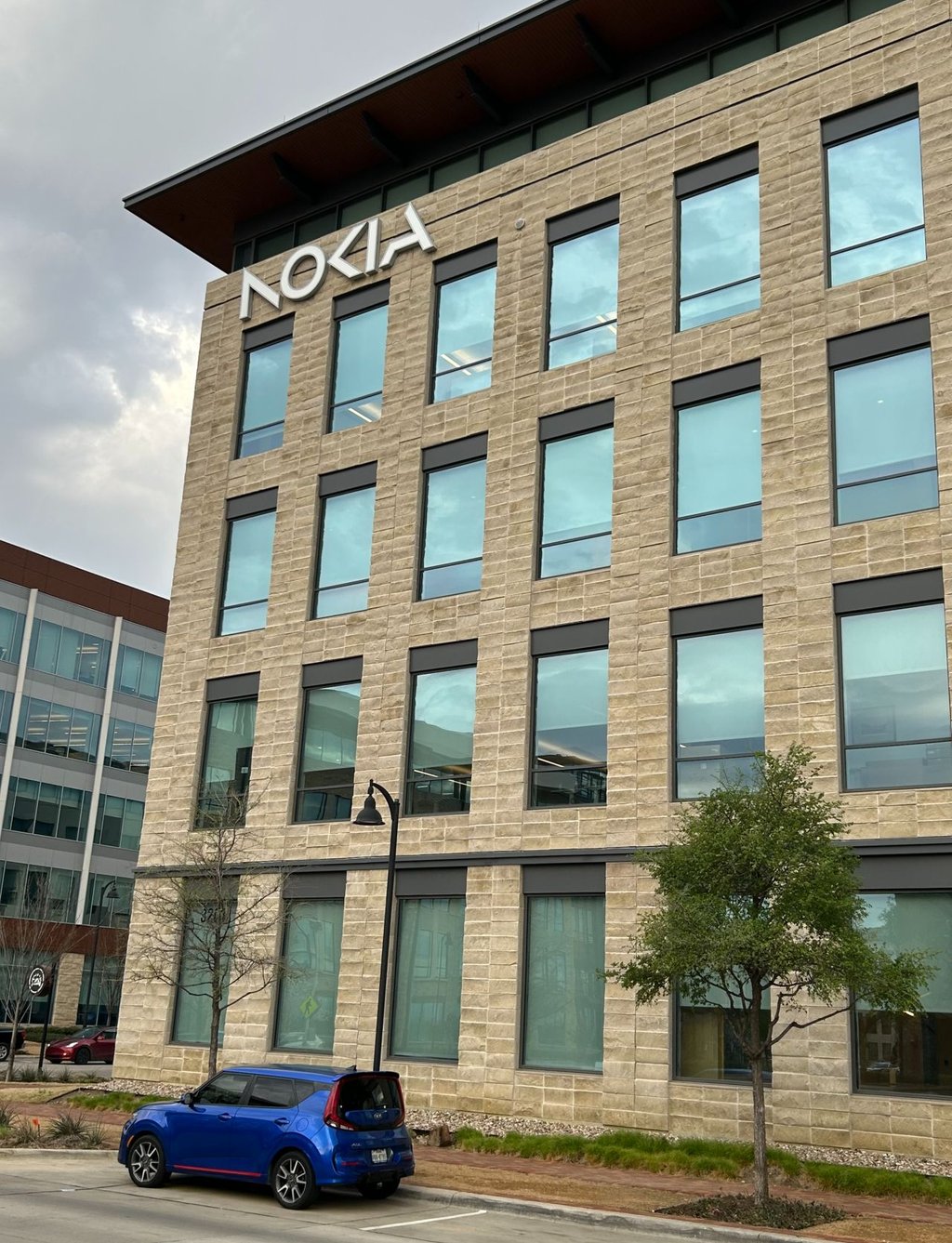
In a unique opportunity, Rodrigo was able to learn firsthand about innovative technologies and have a remarkable experience:
I had the privilege of visiting the impressive Nokia laboratory in Dallas (https://lnkd.in/dxAMbcDa), and I was fascinated by their focus on interoperability. It was revealing to see how their equipment is rigorously tested alongside solutions from other manufacturers, ensuring seamless joint operation across multiple technologies, including the promising VPAC networks (https://vpacalliance.com/). One of the aspects that most captured my attention was the work they do with equipment designed for teleprotection and differential protection, technologies that are critical for the security of electrical grids.
During the visit, we explored several key concepts that are worth explaining in straightforward terms: Multi Path Protocol for MPLS: Allows the same information to travel through different paths within the network. This provides resilience (the ability to recover from failures) and greater reliability, which is essential in electrical systems. Conversion between PTP Telecom Profile and Utility Profile: This involves accurately translating the time signal between profiles. It is vital for keeping network equipment synchronized during critical operations. Time Asymmetry Compensation: This was one of the most impactful topics. In electrical protection systems, if a signal takes longer to reach one end than the other, errors can occur that trigger unnecessary alarms or fail to respond to actual faults. The ability of Nokia equipment to detect and compensate for these differences ensures precise and reliable operation. NSP (Network Services Platform): We saw this network management platform in action. It allows real-time visualization of the entire network, its nodes, the status of paths, and communication latency. This visibility is key to preventing failures and responding quickly.
All of these developments strictly comply with the international standard IEC 61850, which guarantees interoperable, secure, and high-quality systems. This is a detail that demonstrates Nokia's commitment to technological excellence in critical environments such as the energy sector. It was a visit that broadened my perspective on the future of electrical grids and the importance of collaboration between manufacturers to ensure more robust systems.
A final reflection: we witnessed the major blackout that affected millions in Chile. Although the causes are still under investigation, this event highlights the urgent need for reliable technologies capable of preventing critical failures in electrical grids. Investments such as those we saw at Nokia are not only aimed at the future; they can also help prevent events of such severity from occurring again.
Thank you, Nokia, for this excellent learning opportunity and for allowing us to look beyond the present!