The Contribution of New Technologies to Transportation and Logistics
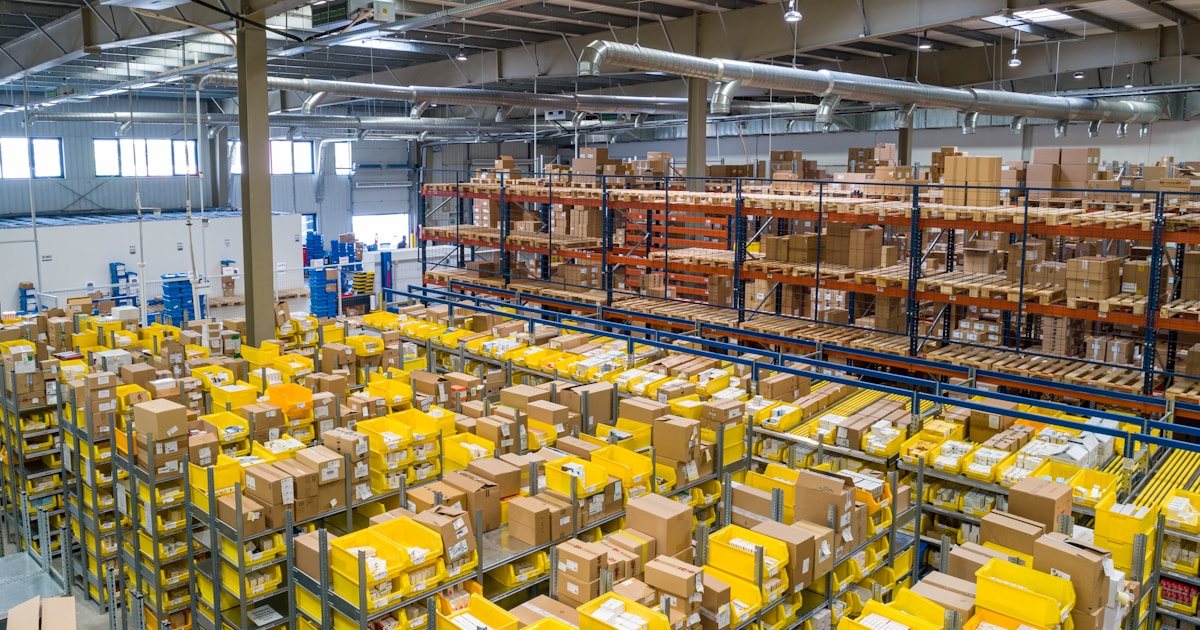
The logistics industry faces constant challenges in the efficient management of people and product transportation. The need to ensure safety, optimize costs, and improve operational efficiency has led to the adoption of innovative technological solutions.
Combining elements such as IoT technologies and Advanced Driver Assistance Systems (ADAS) will transform logistics management.
Challenges in Logistics Management
Today, safety issues affecting drivers and passengers are linked to factors such as long working hours, adverse weather conditions, and fatigue. Similarly, the protection of transported goods due to spoilage, theft, and destination rejections increases operating costs.
Another challenge involves operational efficiency, which is complicated by the lack of accurate data and the difficulty of evaluating driver performance and operations in general. Added to this is the lack of integration between different systems, which can cause problems in shipment tracking and inventory management.
Likewise, in a globalized environment such as ours, supply chain management presents a significant challenge, specifically the coordination and communication among suppliers, carriers, and distributors.
How Can Technology Help?
There are solutions that address the main problems through the integration of different technologies. These consist of hardware and platforms with diverse functionalities that, combined with data analytics, enable more effective and secure management and simplify decision-making.
Safety
Some examples include video recording, data storage, and real-time GPS tracking. There are also mobile recorders with collision sensors and interior and exterior cameras that enable continuous monitoring of the vehicle and its occupants. These tools are essential for providing evidence in the event of accidents and for ensuring safety during transit.
Driver Assistance
The Advanced Driver Assistance System (ADAS) improves safety through frontal collision alerts, blind spot detection, and driver behavior analysis. These capabilities allow for immediate intervention in the event of dangerous behaviors such as fatigue or mobile device use. In turn, they provide a safer environment for both drivers and passengers.
Sensors
The application of the Internet of Things (IoT) extends management capabilities through sensors that monitor door status, container temperature, and vehicle fuel level.
This is crucial for maintaining the integrity of goods, especially in the transportation of perishable products or those sensitive to temperature changes, and for preventing fuel theft.
Once field data is obtained, it is essential to have analytical and management tools that support decision-making, both in real time and over the medium term.
Real-Time Monitoring
This involves live tracking of vehicle position and routes, as well as the ability for two-way communication with the driver in case of emergencies or deviations from the planned route.
Recording and Data Recovery
It is possible to store driving videos and data that facilitate post-event or post-incident investigation and assessment.
Performance Analysis
This consists of a detailed evaluation of driver performance using Key Performance Indicators (KPIs) such as fuel consumption, delivery punctuality, and driving behavior. This enables more informed management and the implementation of corrective measures.
Route and Shift Optimization
It is ideal to have tools for planning routes and shifts efficiently, identifying patterns, and adjusting operations to maximize efficiency. For example, comparing the estimated and actual arrival times for each trip helps managers make informed decisions and improve delivery punctuality.
Alarm Management and Training
There is the option to configure different types of alarms and generate detailed reports that help identify common problems. This is essential for designing specific training programs and evaluating their effectiveness over time.
What Are the Benefits of Integrating Technology for the Transportation of People and Goods?
First, having advanced systems improves the safety of people. The combination of ADAS and real-time monitoring reduces accident risks and improves the safety of drivers, passengers, and third parties.
Second, it improves asset protection, reduces losses, and ensures delivery quality. This is linked to the continuous monitoring of door status and temperatures, which ensures the integrity of goods.
In turn, these technologies enable cost optimization. Fuel consumption control and early theft detection allow for more efficient resource management, reducing operating costs.
Finally, decision-making is facilitated. The availability of accurate data and detailed analytics simplifies performance evaluation and operations optimization, improving overall efficiency.
A Comprehensive Solution
Modernizing logistics operations through artificial intelligence, IoT, and other technologies is key to maintaining competitiveness. In the coming years, this will become the new standard for efficient and sustainable management of all types of transportation lines, benefiting all stakeholders in the supply chain and preparing the sector for future challenges.
HikVision, a technology partner of Isbel in the development and integration of solutions, offers a robust platform that centralizes different modules and analytical capabilities to address the current challenges of the logistics sector, such as improving the safety of people and ensuring delivery quality (on time and in proper condition).