How Is AI Transforming the Telecommunications Sector?
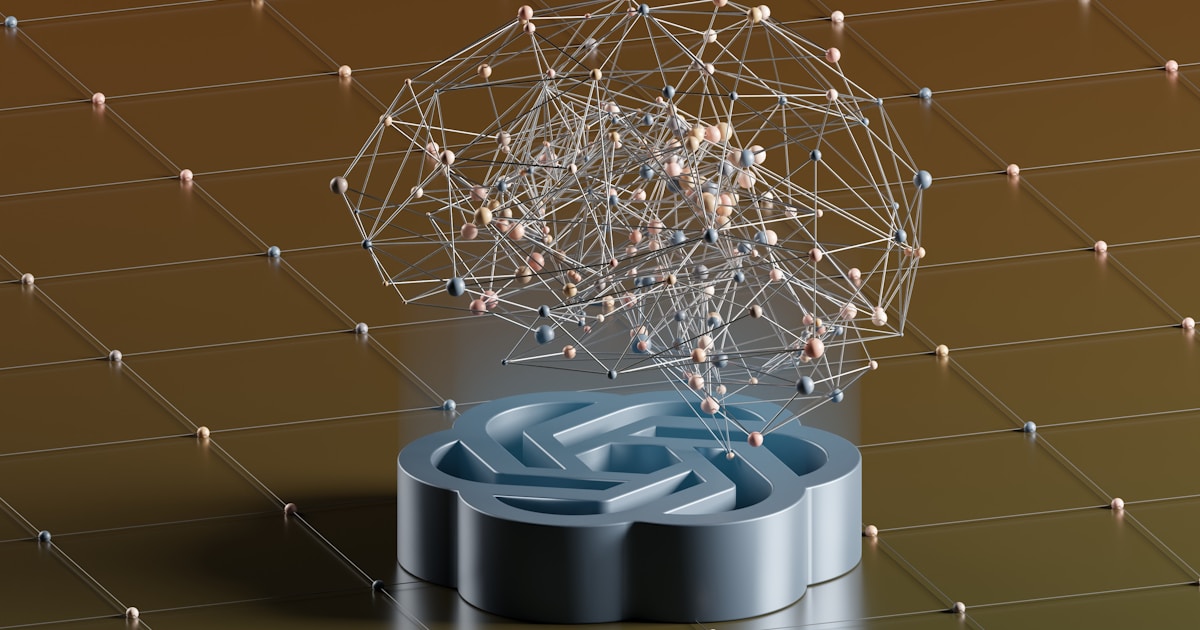
As telecommunications networks serve an ever-growing number of users and handle increasing traffic, it is essential to have tools that enable monitoring, efficiency improvements, attack prevention, and customer retention.
AI is a branch of computer science that simulates human intelligence through the processing of very large data sets. It is being implemented across economic, social, and technological sectors, and the telecommunications industry is no exception.
AI is developed through the collection and analysis of data. Using algorithms and mathematical methods, AI can extract patterns that then allow it to simulate human intelligence. The more data that is fed in, and the more varied it is, the more information the system has to generate more effective solutions.
AI improves the performance of many traditional processes, which is why several companies are implementing it to enhance the quality of their products and services.
AI uses various techniques, some of which are briefly described below:
Machine Learning (ML)
ML is a branch of automated learning. Through this technique, using algorithms and classical models, computers are trained and "learn." Data is processed logically and certain patterns are identified that generate "intelligence." This technology uses classical techniques, such as linear regression, for example.
Deep Learning (DL)
DL is a subcategory within machine learning. It consists of a deeper approach: more sophisticated tools are used, such as artificial neural networks, which yield better results.
Uses of AI in Telecommunications
Let us look at some application possibilities that AI offers in the telecommunications field.
Network Monitoring and Management
Users and traffic are growing continuously, and telecommunications networks have become more complex. Therefore, improving network management and efficiency has become a priority for all telecommunications company operators.
AI plays a fundamental role in analyzing network problems and can generate improvements by preventing issues before they occur, in an automated manner.
For example, engineers at Orange in France created an AI-based system that anticipates network congestion 30 minutes in advance by predicting the evolution of several parameters or performance indicators. It has an 80% success rate and allows them to prevent problems, saving time for those who manage the network.
"Typically, we consider performance indicators individually. With this artificial intelligence solution, we moved to considering the impact of several variables at the same time," says Sylvain Allio, one of the engineers at Orange.
As Sylvain states, AI enables a greater understanding of the network than was previously possible. When a problem in the network is predicted, the focus shifts to the equipment generating the issues or to neighboring equipment. Thanks to AI, not only can future problems be predicted, but the elements causing them can also be identified, making it possible to act in advance and prevent them before they occur.
Network Energy Consumption and Efficiency
In addition to monitoring or improving network management and stability, another application of AI in telecommunications networks is improving network energy efficiency.
By collecting data on network consumption and the capacity delivered to customers, AI techniques can be used to evaluate network efficiency and take action when necessary. In this regard, Orange also committed to reducing its carbon footprint emissions by 30% before 2025, a goal it plans to achieve using AI.
Ericsson also applies ML techniques to save energy. They manage the energy-saving mode of radio transmitters when traffic from users is predicted to fall below a certain threshold. This technique, using ML, achieved a 14% savings in energy consumption per site, surpassing manual management.
Threat Detection with AI
Another topic that is becoming increasingly relevant in telecommunications networks is cybersecurity. Today, it is very important to be able to detect threats in time and thus protect the confidential information of customers from digital attacks.
Many companies have managed to address these attacks using methods enhanced by automation, AI, and machine learning. This has helped them detect suspicious activities more effectively and in real time.
AI enables the detection of internal attackers, suspicious IP addresses, and malicious files in a matter of seconds. The continuous learning capabilities of AI and the volume of data it collects facilitate the identification of security threats and reduce detection and response times.
For example, Nokia has created a software-based system called Deepfield Defender. This software uses an updated data source called Deepfield Secure Genome (patented by Nokia), which gathers information from the internet (IP addresses, internet traffic) and uses AI techniques to classify and divide these flows into different security categories. This data source is aware of previous attacks and insecure servers. With that information and additional data obtained from the network, Deepfield Defender can detect DDoS attacks more quickly.
What are these incidents about? DDoS (Distributed Denial of Service) is an attack directed at a specific network, server, or service. It overwhelms the target network, including the server or service it comprises, by flooding it with internet traffic from distributed sources coordinated by the attacker. This causes a significant disruption to the normal traffic of the affected network.
Improvements in User Experience
Telecommunications operators can also use AI to improve the user experience.
Based on customer data, operators can apply AI to detect preferences and offer personalized services. For example, AI can identify trends and predict consumption patterns to recommend a specific commercial package to the user or customer, taking into account their present or future needs, with different connection speeds or call quality levels.
AI: A Differentiator for the Industry?
As telecommunications networks serve an ever-growing number of users and handle increasing traffic, it is essential to have tools that enable monitoring, efficiency improvements, attack prevention, and customer retention.
Algorithms for network management, for improving energy efficiency, or for making networks more secure and providing better services to customers are just some examples of the many applications AI could have in telecommunications networks, making them more stable, secure, and sustainable.
Therefore, the application of AI can be key for telecommunications operators as a way to improve service quality and their customers' perception, and it will be a differentiator in the future when choosing an operator or a brand.
Paysandu 926CP 11100MontevideoTel: +598 2902 1477
© 2025 Isbel S.A., a Quantik® brand
Av. Ana G. Mendez 1399, km 3PR 00926San JuanTel: +1 (787) 775-2100
Carmen C. Balaguer 10El Millon, DNSanto DomingoTel: +1 (809) 412-8672
Follow us
Our Policies